


VI. Looking-Glasses. Part 6
Description
This section is from the book "Colonial Furniture In America", by Luke Vincent Lockwood. Also available from Amazon: Colonial Furniture In America.
VI. Looking-Glasses. Part 6
Figure 336 shows a mantel looking-glass in the Pendleton Collection, owned by the Rhode Island School of Design. At the top are C scrolls with acanthus-leaf borders and dripping-water effects, and within the centre is a scroll design.
On the sides are smaller scrolls filled in with leaves and flowers and on the sides at the bases are represented castles. About the upper edge of the looking-glass frame are a series of C scrolls. There are columns at the ends and two columns divide the looking-glass into three parts. Across the base are similar C scrolls with dripping-water effects.
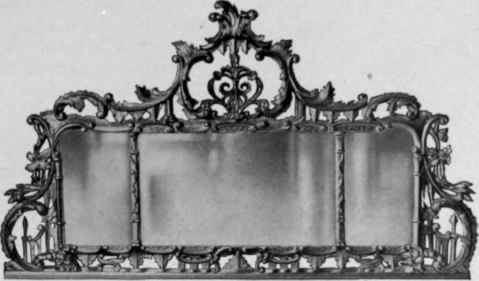
Figure 336. Mantel Looking-Glass, Chippendale style, 1750-70.
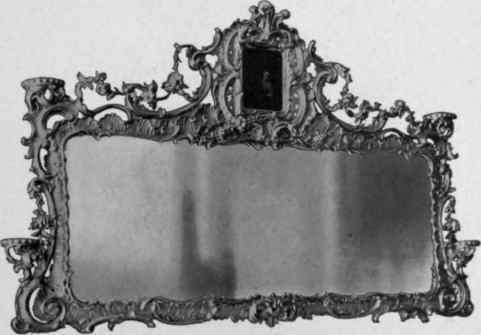
Figure 337. Mantel Looking-Glass, Chippendale style, 1750-65.
A very beautiful mantel looking-glass in the same collection is shown in Figure 337. At the centre is a cartouche composed of C scrolls and conventionalised acanthus leaves at the top. Within is a painting. Extending from the central cartouche is a very beautiful series of scrolls filled in with flowers and leaves, and at the upper corners and above the scrolls at the base are acroteriums. About the frame is carved a very beautiful design in rococo and at the centre of the top over this surface are carved sprays of flowers. No such looking-glass as this has been found in this country, but it is shown to give the reader an idea of the beauty of some of the English looking-glasses of the period, which must have been seen by the American cabinet-makers who had come from England.
Figure 338 shows a looking-glass which is in the style most used by Edwards & Darley. The entire looking-glass is in Chinese taste. The top consists of an open-work pagoda within which sits a Chinaman with a dagger in his hand. On either side are represented steps leading up to him. Below, on each side, are two columns and series of steps leading to the base, and around the lower section of the glass is a fretwork rail. At the centre of the bottom is a sconce with three branches.
Next to Chippendale, probably the greatest designer of looking-glass frames was Johnson, and a pier-glass and table in his style is shown in Figure 339, the property of Mr. Marsden J. Perry. The general outline of the frame, with its foliated scrolls and flowers, is similar to Chippendale's designs. At the top is a stag standing on a foliated acroterium, which is supported by two large C scrolls within the arc of which are garlands of flowers. Between the C scrolls is a panel of glass over which are hung garlands of flowers, and below these is the figure of a woman. There is a glass border between the lines of scrolls on either side of the looking-glass as is usual. At about the centre of the sides on either side is a crane and at the top on either side is a dog. At the centre of the base is a small hut. The frame is supported by C-scroll feet The pier-table is a companion piece. The legs are composed of scrolls with glass between, and a stretcher extends between the legs crowned at the centre by a summer-house with a pagoda top. On either side is a monkey climbing toward the summer-house. The motifs of human figures and animals are the chid characteristics of Johnson's style and were rarely employed by Chippendale.
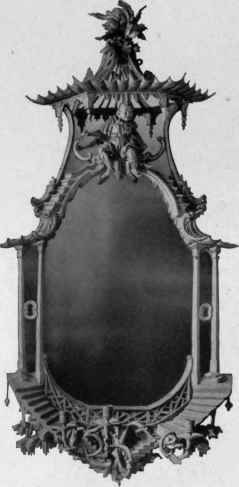
Figure 338. Girandole in Edwards & Darley style, 1750-65.

Figure 339. Pier Glass and Table in Johnson style, 1750-65.
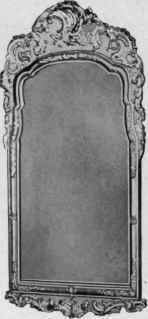
Figure 340. Gilt Looking-Glass in Chippendale style, 1760-70.
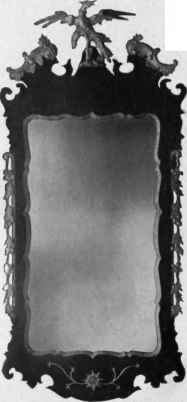
Figure 342. Looking-Glass with mahogany and gilt frame, 1760-75.
A simple looking-glass in Chippendale style is shown in Figure 340. The surface and the cresting are carved in rococo designs and scrolls, and similar designs are represented at the base. The upper section of the frame is curved in the manner of the earlier period, and the execution is simple and not elaborately worked out as in the English pieces. This looking-glass is somewhat suggestive of the looking-glass shown in Figure 335.
Another simple looking-glass of the period is shown in Figure 341. At the top on a solid background are carved scrolls, leaves, and flowers, and at the centre is an urn within which are flowers. On the lower section are foliated C scrolls with a rosette at the centre. The upper section of the glass is curved. This looking-glass is the property of the writer.
Such elaborate looking-glasses as the English ones above shown were only used in the houses of the wealthier classes. The type of looking-glass that was probably used by the people of moderate means throughout this period was that of which Figure 342 is a fairly good example. It will be seen that the cresting is in the cut-work pattern enriched by C scrolls with rococo effects on either side, and at the centre is a pheasant with wings overt. On the sides are the pendent leaves, flowers, and fruits which are so commonly found, and at the centre of the base is scratched a design of a rosette with streamers which is gilded. The inner edges of the frame are cut in cyma and simple curves, and the gilded edge is carved in an acanthus-leaf design. This tooking-glass is the property of the writer.
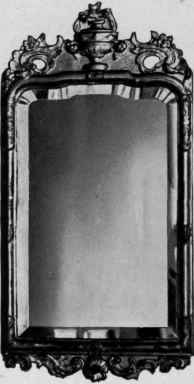
Figure 341. Gilt Looking-Glass in Chippendale style, 1760-75.
Continue to:


My Books

